

18 Nov 2026
Mexico City becomes continental hub for Para Rowing development in the Americas
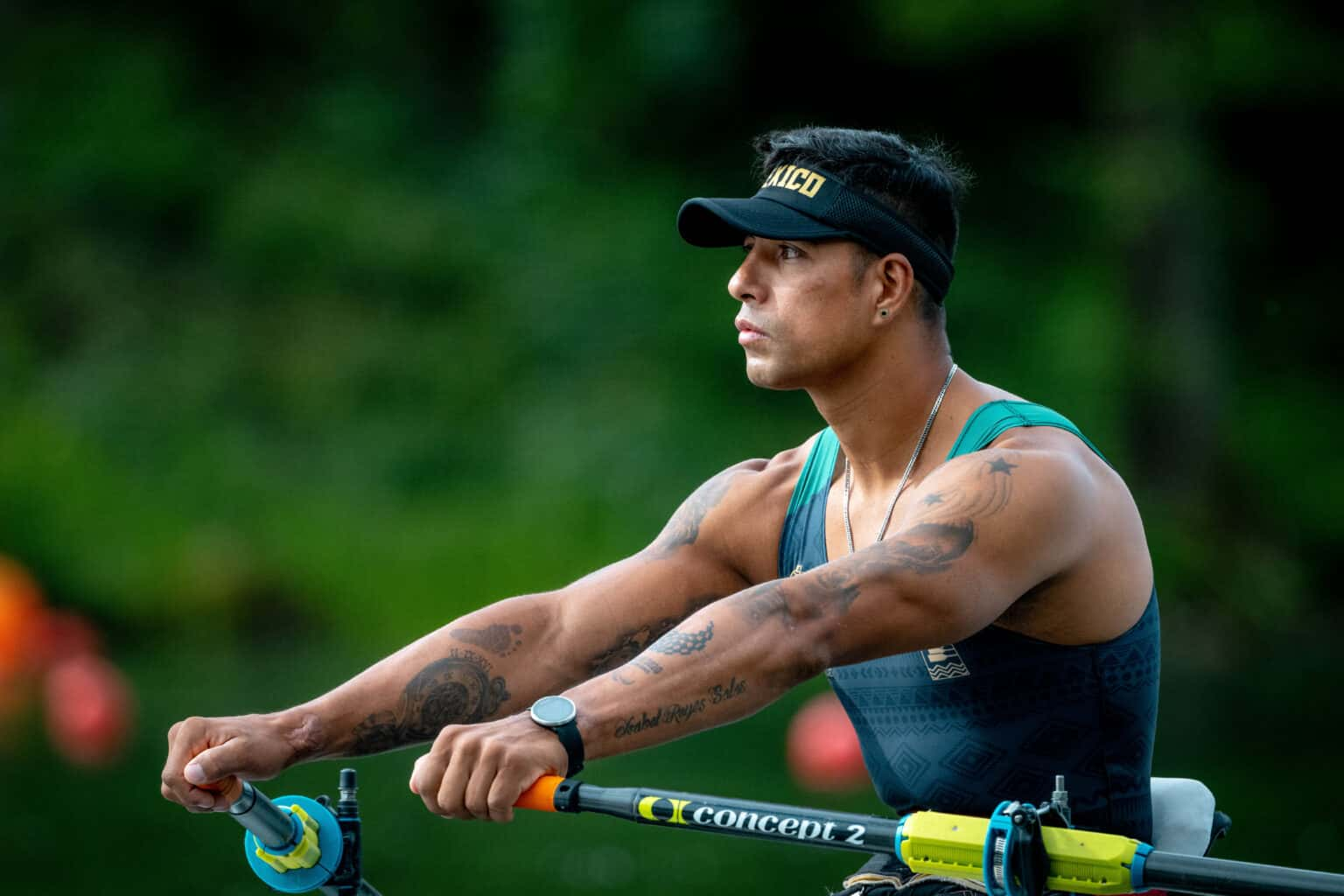
Athletes, coaches, and classification experts from across the Americas met in Mexico for a major development program. The week ended with the first Ciudad de Mexico International Para Rowing Regatta and the launch of a continental equipment hub.
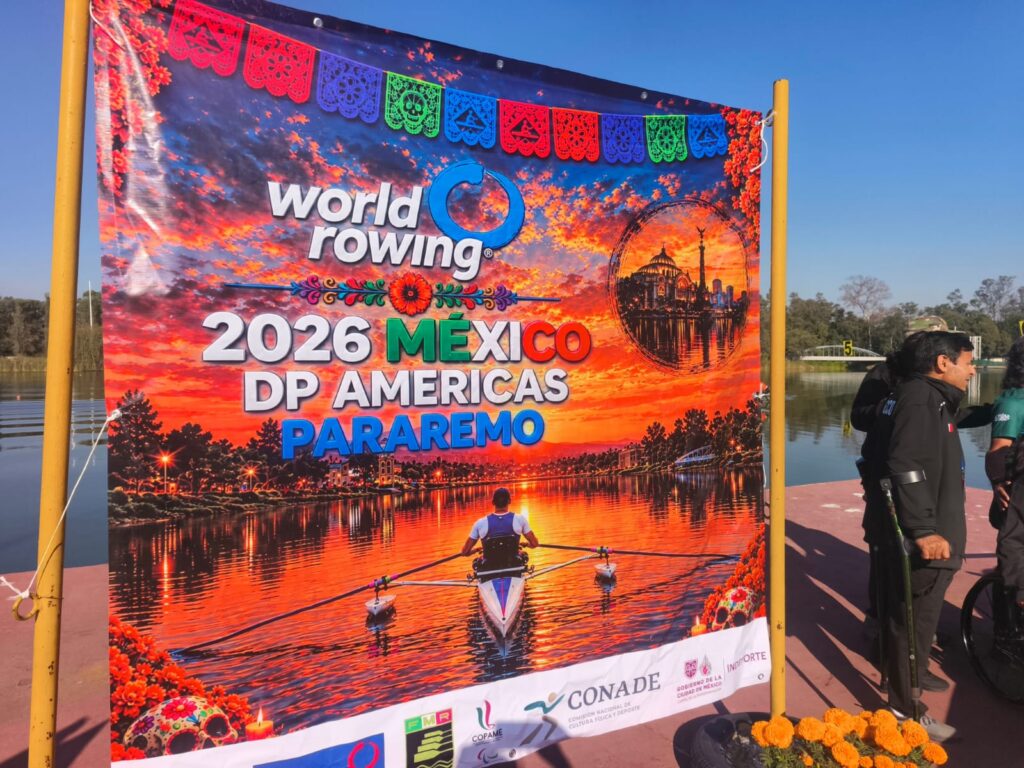
Mexico City made a big step forward for Para Rowing in the Americas by hosting a week of athlete and coach development, international classification education, and competition from 26 October to 1 November.
The Americas Para Rowing Development Camp gathered 43 people: 18 athletes, 10 coaches, and 19 classification workshop trainees. Activities involved 13 countries. The program mixed on-water training, athlete classification, technical education, and water-safety exercises, giving both new and experienced Para Rowing nations a chance to gain experience and skills.
One of the main highlights was the first Ciudad de Mexico International Para Rowing Regatta, which welcomed competitors from eight countries: Argentina, Brazil, Ecuador, El Salvador, Guatemala, Mexico, Peru, and Venezuela.
It was especially significant that El Salvador, Guatemala, and Venezuela took part in international Para Rowing competition for the first time. This marked an important milestone in the sport’s growth in the region.
Building Expertise On and Off the Water
The development program went beyond just athlete training. A key part was the World Rowing Classification Workshop, led by Simon Goodey with international classifiers Rebecca Orr, Helen Blamey, Laura Bravo, and Rafael Jacob.
Athletes were evaluated and classified in the PR1, PR2, and PR3 sport classes. At the same time, 19 trainees joined the workshop to help grow the regional classification team. This program is an important investment in the technical skills needed for fair competition and the ongoing growth of Para Rowing.
On the water, World Rowing experts Esteban Briguglio and Fred Mallrich led daily training sessions with athletes and coaches. They focused on rowing technique, coordination, and crew integration, especially in the PR3 mixed double sculls.
Safety was also a priority. Athletes took part in a capsize and recovery exercise at Club España’s swimming pool, which helped them build confidence and practical skills for handling possible incidents on the water.
International Competition Delivers Strong Performances
The week ended with the Ciudad de Mexico International Para Rowing Regatta, which included PR1 and PR3 events. Both the PR1 men’s single sculls and PR3 mixed double sculls had seven-lane fields, showing strong regional participation
Mexico’s Valeria Hernández was among the standout performers, winning both the 500 m and 250 m PR1 women’s single sculls races. Brazil’s Alina Dumas and Ángelo Gabriel Bastos Maia Alves won both the 1000 m and 500 m PR3 mixed double sculls.00 m and 500 m races, with Mexico’s Michel Muñoz taking silver in both events.
Equipment Investment Creates a Lasting Legacy
One of the main achievements of the program is the creation of a Continental Para Rowing Development Hub in Mexico City. This hub will be a centre for ongoing athlete and coach development throughout the Americas.
World Rowing donated eight PR1 single sculls (PR1 1x) and other Para Rowing sculls to the Mexican Rowing Federation. This equipment will give more athletes across the continent access to the right boats and more chances to train and grow.
This initiative also lays the groundwork for ongoing regional cooperation. The goal is to build on the experience from this first program with more development activities in the future.
Osvaldo Borchi, World Rowing’s Development Lead Expert for the Americas, was part of the World Rowing team that coordinated the program.
“The camp planted a seed for the continued growth of Para Rowing in the Americas, with a shared ambition to build on the experience in the years ahead,” said Borchi.
Remembering Alejandra Menzi
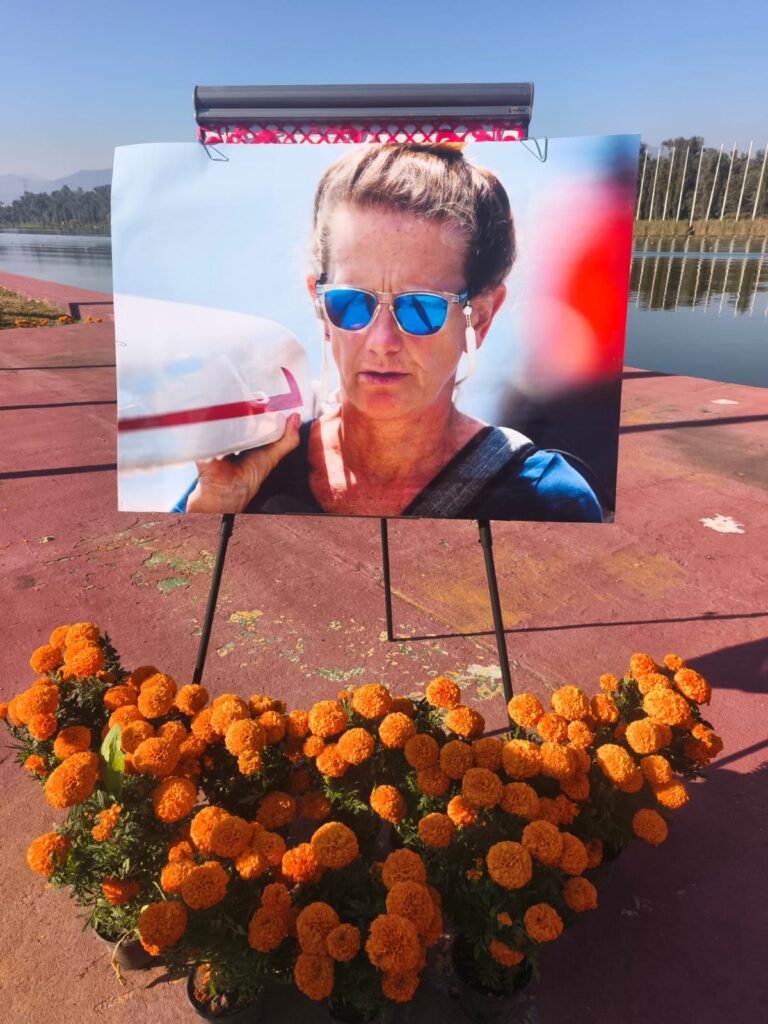
The program also included a tribute to Alejandra Menzi, whose dedication and commitment made her a key figure in developing Para Rowing in Mexico. Menzi passed away earlier this year, and the Para Rowing community honoured her contribution to the sport with great respect.
Her legacy gave special meaning to a week focused on creating opportunities for athletes and building a stronger future for Para Rowing.
World Rowing thanks the Mexican Rowing Federation and its Organising Committee, COPARE, the Mexican Paralympic Committee, the volunteers, the Secretariat of the Navy, the IPC Membership Team, the World Rowing Para Rowing Commission, the World Rowing Development Programme, and all the athletes, coaches, and experts who took part.