


08 Jul 2026
Endrekson’s new role for Estonia
Almost exactly 30 years ago, a young Tonu Endrekson pulled on an Estonian rowsuit to make his first splash on the international rowing circuit. A sixth-place finish in the D-final of the men’s single sculls at the 1996 World Rowing Junior Championships was not, however, indicative of where Endrekson’s career would take him.
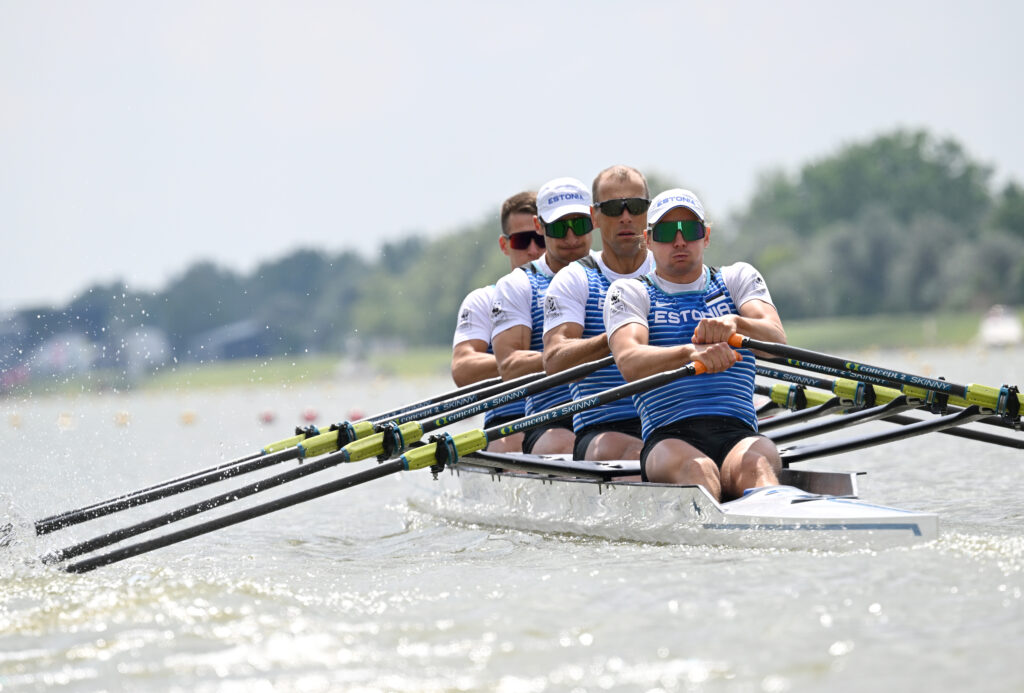
The last time Endrekson would race for Estonia at international level was the Paris 2024 Olympic Games. It was his sixth Olympics, and the only one in which he failed to reach a final. Previously, Endrekson won silver at the Beijing 2008 Olympic Games, bronze at the Rio 2016 Olympic Games, three European championship titles and five world bronze medals.
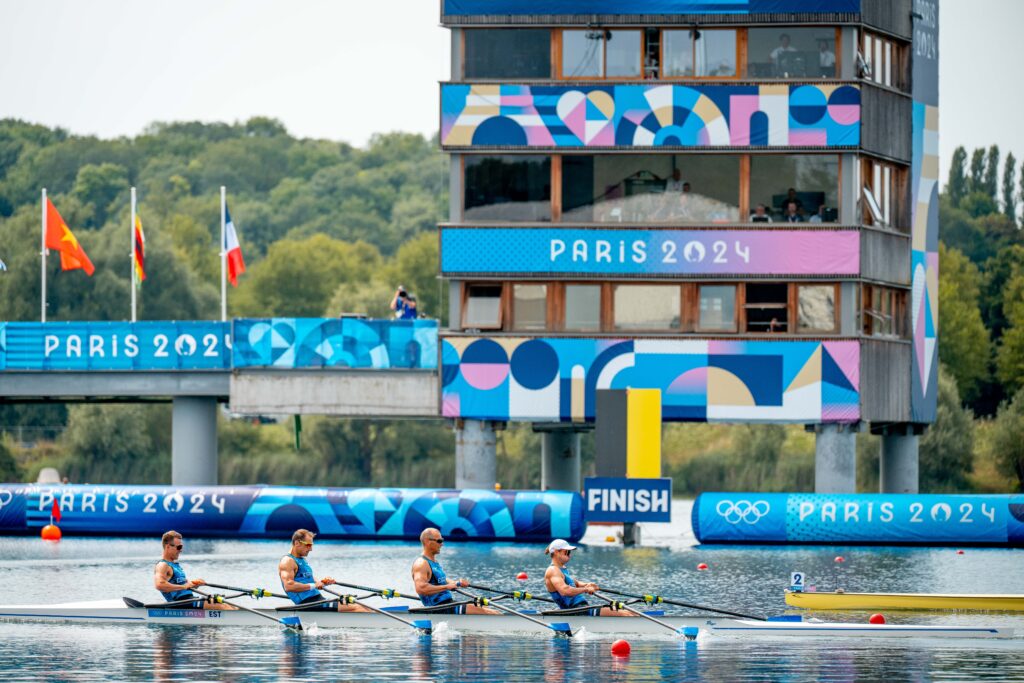
But Endrekson has not left rowing – quite the opposite. He is now the head coach for Estonia, leading a new generation of rowers with a unique perspective on how to help them follow in his wake.
“I already taught some young guys in the past two years, before I quit professional rowing,” Endrekson explains.
“You can sit in a motor boat and explain, but it’s almost impossible. But if you sit in a double then you can feel it, feel the oars and feel through the footplate, and then you can explain what should be the feeling. I tried that and that works quite good.”
Initially Endrekson suggested he should be a technical coach, but when the federation were looking at who to hire to replace former head coach Veikko Sinisalo, Endrekson ended up with the job.
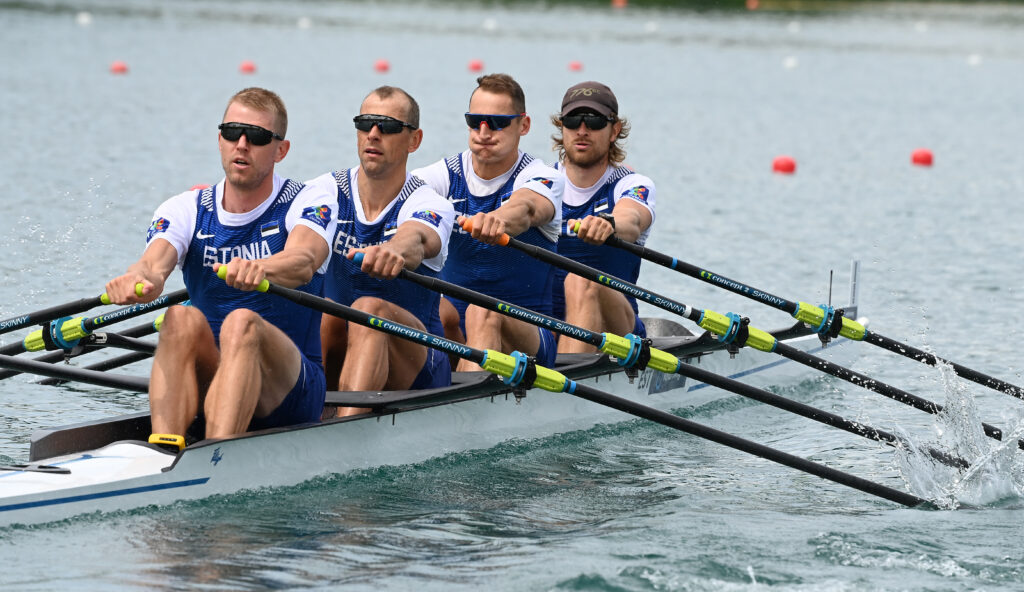
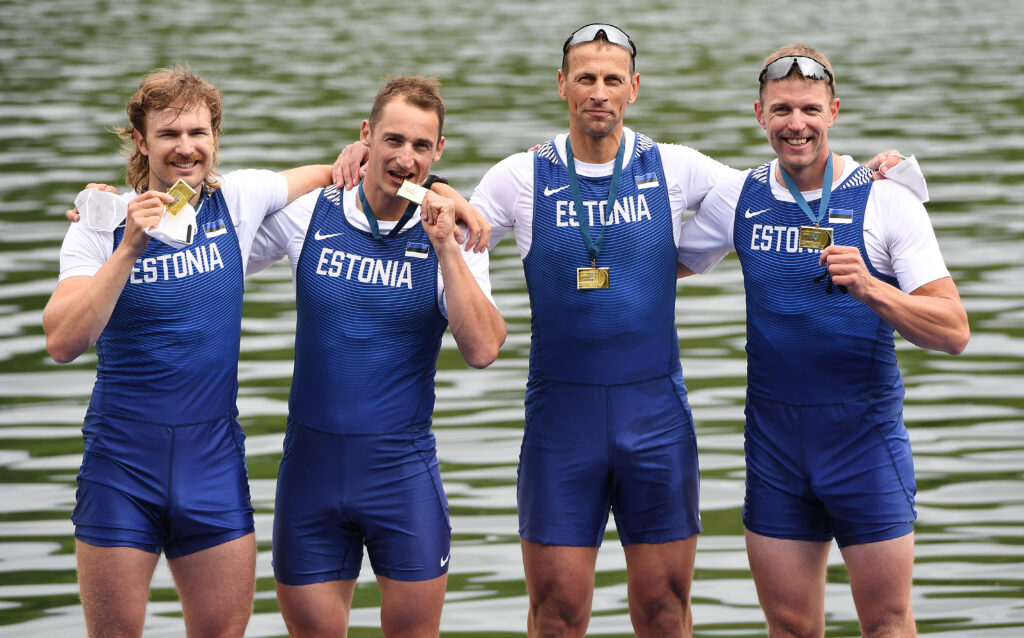
Although that means that Endrekson is now doing more coaching from a motor boat than he was, he is still doing some rowing in doubles. For the men’s quadruple sculls crew, he is confident that the wisdom he and fellow veteran Allar Raja passed on to Johann Poolak and Mikhail Kushteyn during the Paris campaign is now being passed on in turn to the younger half of the boat, Uku Siim Timmusk and Nikita Zoglo.
But Endrekson is still jumping into the double scull on occasion to help develop 22-year-olds Kaarel Kiiver and Christopher Hein. Kiiver has beaten almost all of Endrekson’s own erg records, but is still developing the technical skills he needs to move a boat effectively.
Endrekson says the world has changed a lot since his early days in rowing.
“There is a big difference because when we were young guys there were no phones and internet and everything. If you want to get outside Estonia, then sport is the option.
“But right now the world is open for you. Rowing is very hard, it’s not easy to find young guys who really want to get to the top. It’s not easy. These guys are 22, 23, and when I was 22, 23 I know that I was in better shape already.”
Looking back at his own career, Endrekson says the highlight was not his Olympic or world medals, but the 2007 World Rowing Cup III on the Rotsee in Lucerne – the same place where World Rowing spoke to him for this piece. He was racing with Jueri Jaason in the men’s double sculls, and after just scraping into the final they led the race at every marker.
“That was our race, the race of our lives. I remember the race very well. At 1000m we just (looked) and they were back there, and I was 100 per cent sure we would get it, no problem, because the feeling was so good. The boat was so smooth out of the water. That was the best race,” Endrekson says.
The target for the new generation is very much to qualify for the Los Angeles 2028 Olympic Games. Endrekson acknowledges the task will be hard, but signs are hopeful: the Estonian quad was ninth at World Rowing Cup I, and fifth at World Rowing Cup III.
“Technically they are improving, but physically they have to work hard,” Endrekson says. And he will continue to set an example by staying fit enough to show the younger men how to lift weights, and how to row. After all, there are few in the world with the sort of experience he brings, and that will definitely prove crucial as Estonia eye another Olympic Games.