- Share
- Charting the Fairest Course: World Rowing Secures IPC Grant for Para Rowing Classification Research
- Charting the Fairest Course: World Rowing Secures IPC Grant for Para Rowing Classification Research
- Charting the Fairest Course: World Rowing Secures IPC Grant for Para Rowing Classification Research
- Print to PDF


Shmuel Daniel, PR1 Men's Single Sculls, Israel, 2024 Paralympic Games Rowing Regatta, Paris, France / © World Rowing / Benedict Tufnell
09 Jul 2026
Charting the Fairest Course: World Rowing Secures IPC Grant for Para Rowing Classification Research
World Rowing and the University of Edinburgh are among the first recipients of a new International Paralympic Committee (IPC) fund for Para sport classification research. This new research examines the evidence behind Para Rowing’s sport classes, with data collection running through 2026 and 2027.
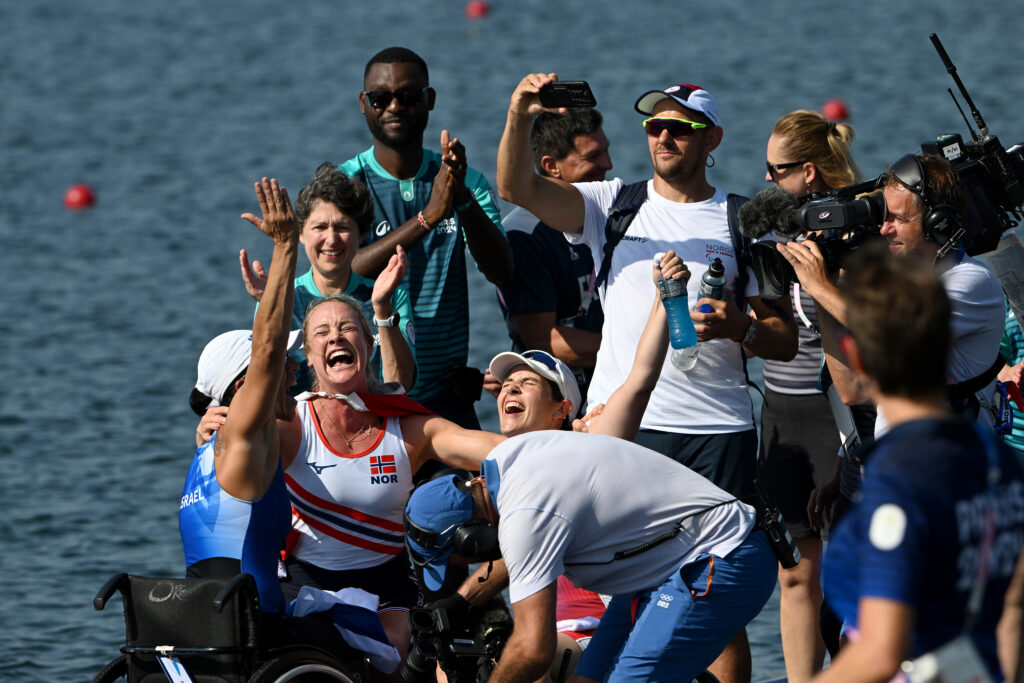
Fair competition in Para sport rests on one foundation: classification. It’s the system that groups athletes by function – what their body can actually do – rather than by diagnosis, so that the outcome of every race comes down to training, tactics and power on the water.
Keeping that system scientifically sound takes ongoing research, and Para Rowing has just secured backing to do exactly that. World Rowing and the University of Edinburgh have been awarded a grant by the International Paralympic Committee (IPC) to study how physical impairment relates to rowing performance across the sport’s three classes: PR1, PR2 and PR3. (For a quick guide to what these classes mean, see the appendix at the end of this article.)
What the Research Will Do | | Investment in Classification Science
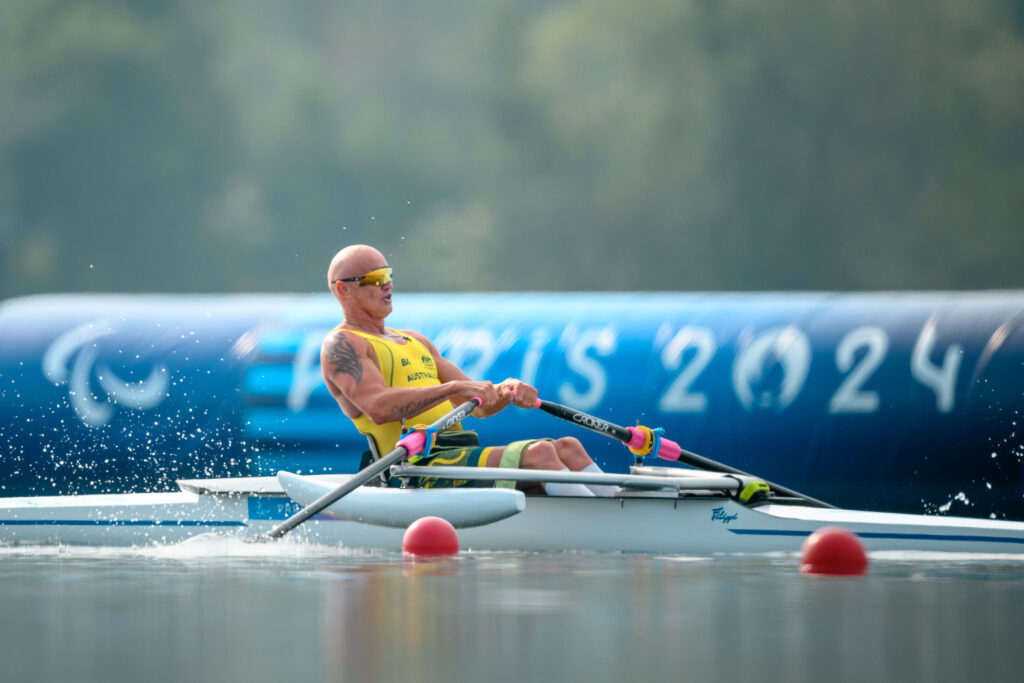
The Para Rowing project examines how impairment characteristics relate to performance across the PR1, PR2 and PR3 sport classes. The research methodology is driven by the need to create clear, objective classification thresholds that help ensure the system remains transparent, equitable, and grounded in solid scientific evidence.
To gather this evidence, the research team will collect data throughout 2026 and 2027, with Para rowers taking part in physical assessments and ergometer-based performance testing.
“This grant represents a major step forward for Para Rowing,” said World Rowing Executive Director Vincent Gaillard. “By investing in high-quality, evidence-based research, we are strengthening the foundations of our classification system and reinforcing our commitment to fairness and athlete-centred development. We are grateful to the IPC for their trust and support, and we look forward to the valuable insights this project will bring to our sport.”
New Tools for Classifiers
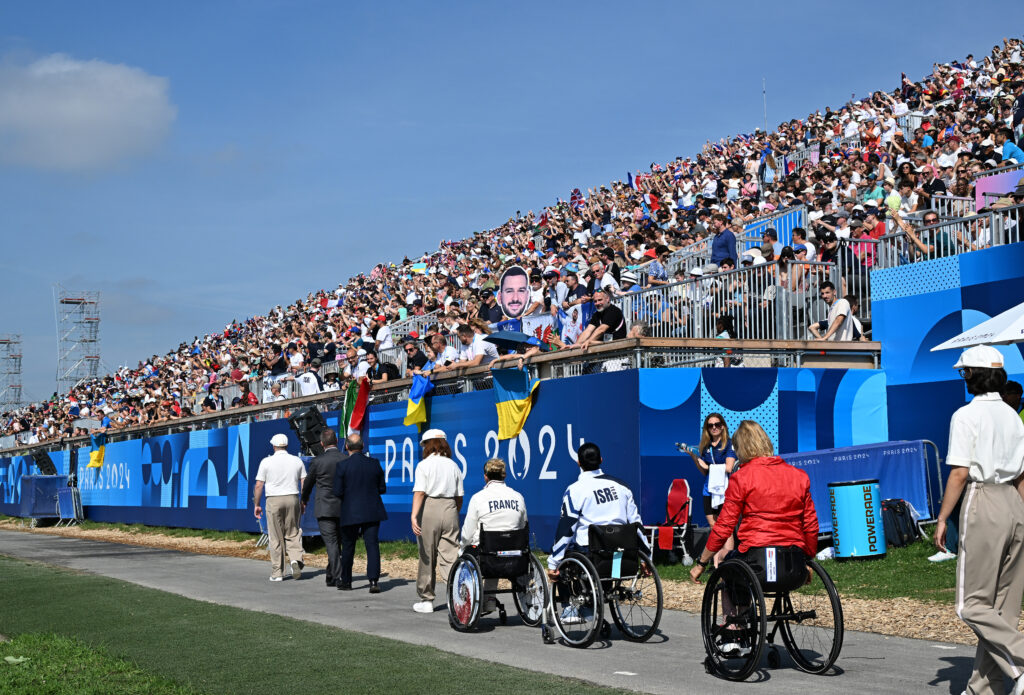
A central part of the project is building new tools to support classifiers: the trained officials who assess athletes and assign them to a sport class. The research team will develop an artificial intelligence model that can automatically analyse a rower’s movement from standard video footage, using a technique known as two-dimensional kinematic analysis. Alongside it, the team will develop a wearable sensor called an inertial measurement unit (IMU), which captures detailed movement data during both ergometer and on-water rowing.
Together, these tools are designed to make classification decisions more consistent and evidence-based, while opening the door to further research.
Timeline and Outcomes
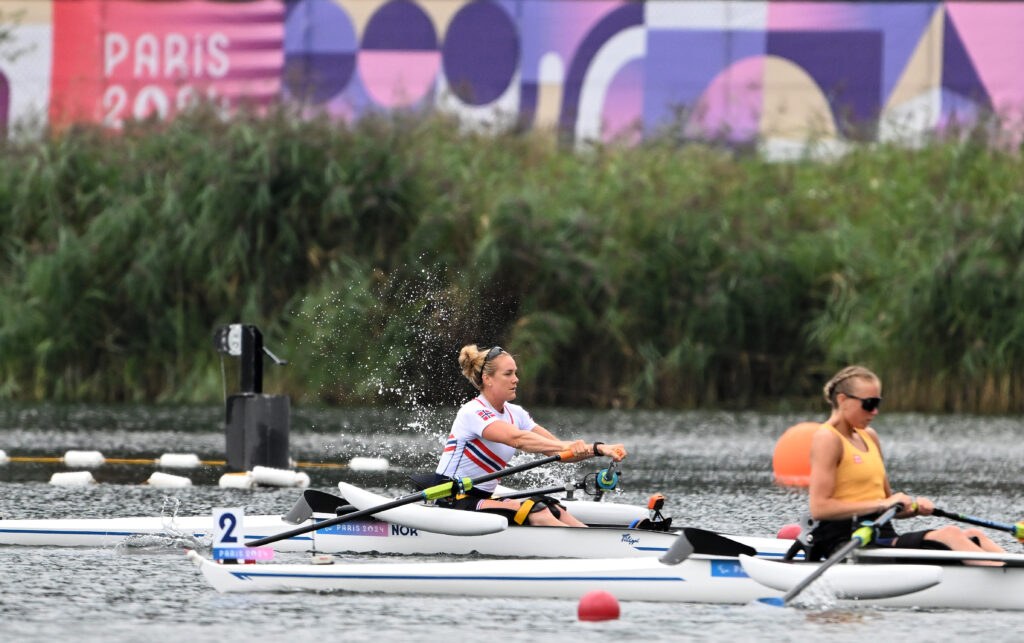
The project is due to conclude with a final research report in September 2027. Its findings will inform any future refinements to World Rowing’s Para Rowing classification system, helping ensure it continues to reflect the best available evidence and to support fair, meaningful competition. Any changes arising from the research would only take effect after the Los Angeles 2028 Paralympic Games.
Part of a Wider Investment in Classification Science
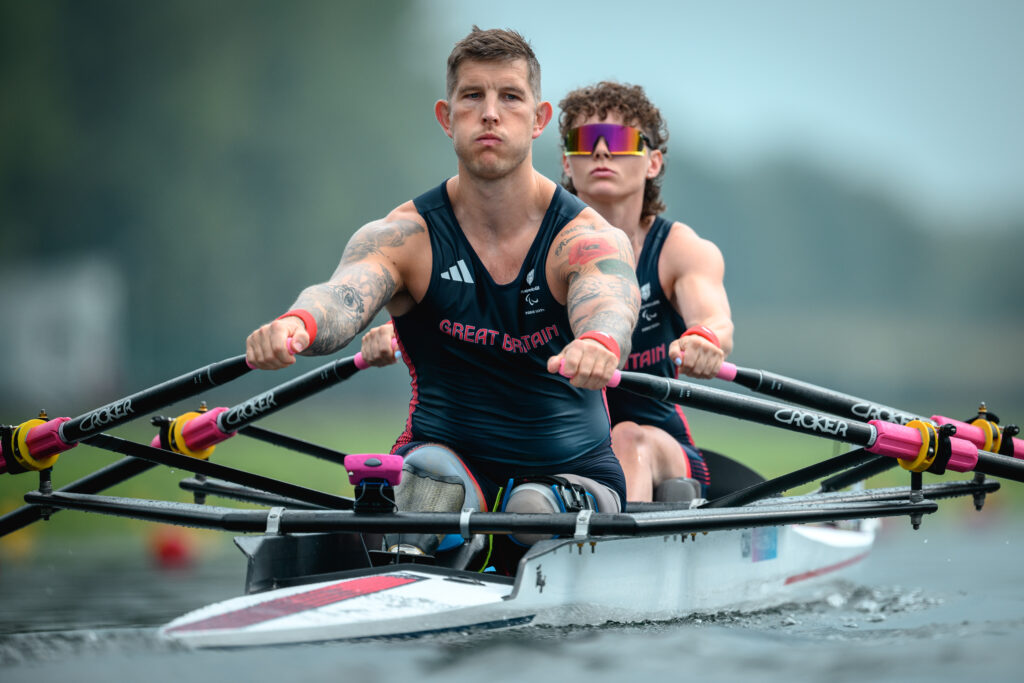
World Rowing’s project is one of six research projects sharing a combined EUR 900,000 in this first round of IPC Classification Research Grants, delivered through the IPC’s Sport for Mobility programme. Across the six projects, the individual grants range from EUR 65,000 to EUR 250,000, with durations of between 12 and 31 months.
A second call for Classification Research Grant applications was already announced in April 2026, with the next cohort of recipients due to be confirmed later this year — a sign that this investment in classification science is only growing.
For more information on the IPC’s Classification Research Grants, visit www.paralympic.org/classification.
In Amsterdam During the Worlds & Want to Take Part in the Study? We Got You Covered
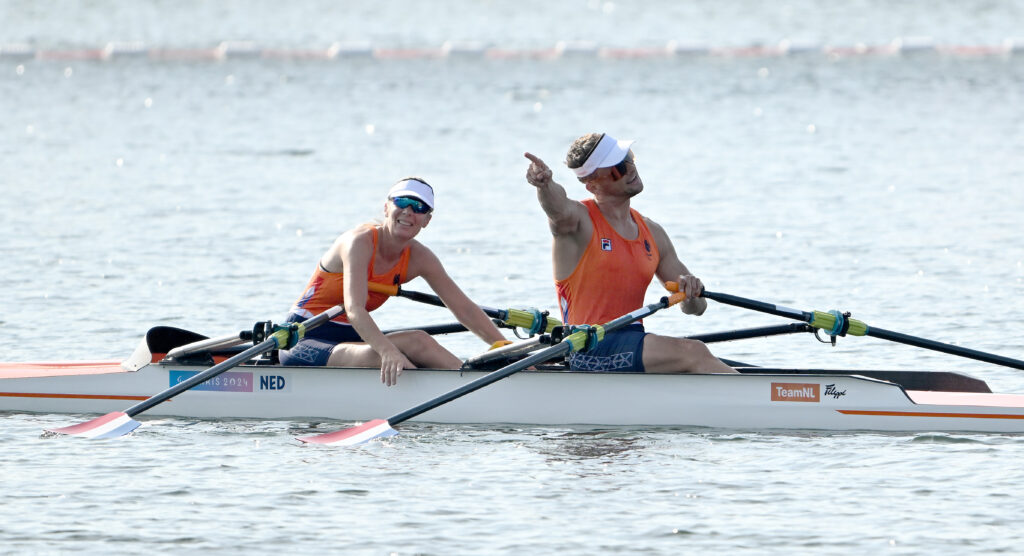
World Rowing is now recruiting Para rowers to take part in testing at the 2026 World Rowing Championships, Amsterdam, between Friday 28 and Sunday 30 August. All participants will be compensated with 100 euros each and offered video motion analysis of their ergometer rowing by the research team.
To take part in the research, athletes must:
- Have a physical impairment eligible for Para Rowing
- Be at least 18 years old
- Have at least one year’s experience in Para Rowing
- Train at least once per week
Interested athletes should sign up via the following form before Friday 31 July 2026: World Rowing & the University of Edinburgh Classification Research Athlete Testing – WRCH – Fill out form
Appendix: Understanding the PR1, PR2 and PR3 Sport Classes
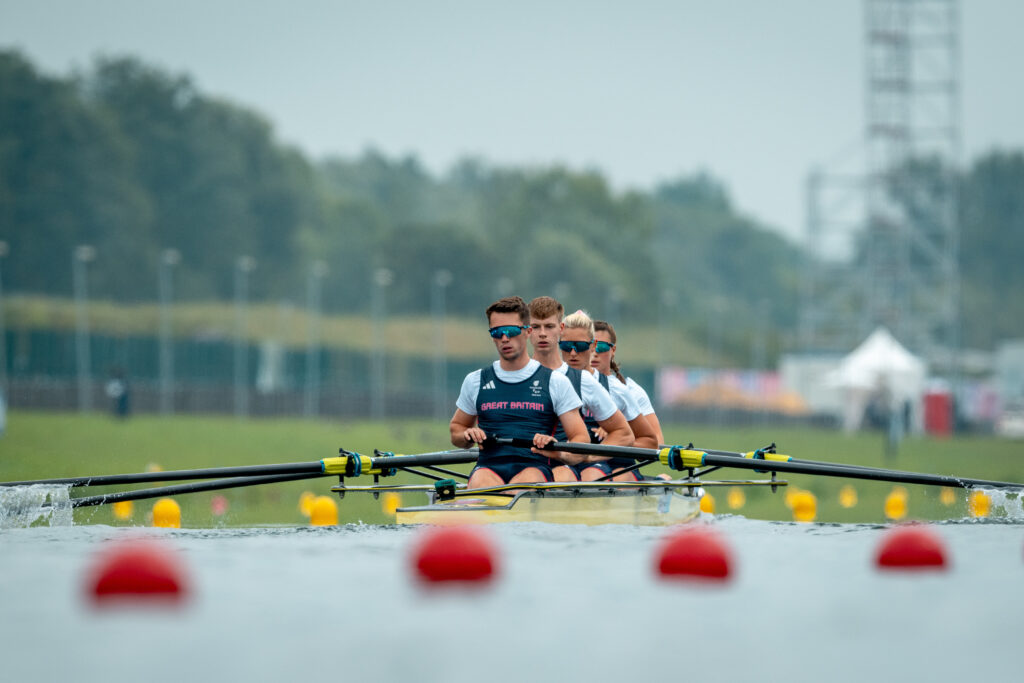
Para Rowing groups athletes into three sport classes: PR1, PR2 and PR3 – with “PR” standing for Para Rowing. Here’s how the three classes break down:
| Sport Class | What It Means | How They Row |
| PR1 | Minimal or no trunk function | Power comes from the arms and shoulders alone; rowers are strapped into the boat for stability, since sitting balance is limited |
| PR2 | Functional use of arms and trunk, but limited or no leg function | Rowers use their trunk and arms together but cannot use a sliding seat |
| PR3 | Functional use of legs, trunk and arms (class also includes athletes with vision impairment) | Rowers can use a sliding seat, generating power through a full leg drive as well as trunk and arms |