


24 Aug 2026
In Balance With Nature 2.0: How rowing is helping shape a nature-positive future
At the 2026 World Rowing Championships in Amsterdam, World Rowing is taking the next step in its sustainability journey with In Balance With Nature 2.0, a biodiversity pilot project designed to explore how major rowing events can better understand, measure and improve their relationship with the natural environment.
Building on an initial pilot at the World Rowing Under 19 Championships in Trakai, the project shifts the focus from awareness to practical action. It will assess biodiversity impacts, identify opportunities for improvement, and help develop a model that can support future rowing event organisers around the world.
“Sport and nature can thrive together when event organisers, conservation experts and local communities work together,” says Maike Betts, World Rowing Development and Sustainability Coordinator.
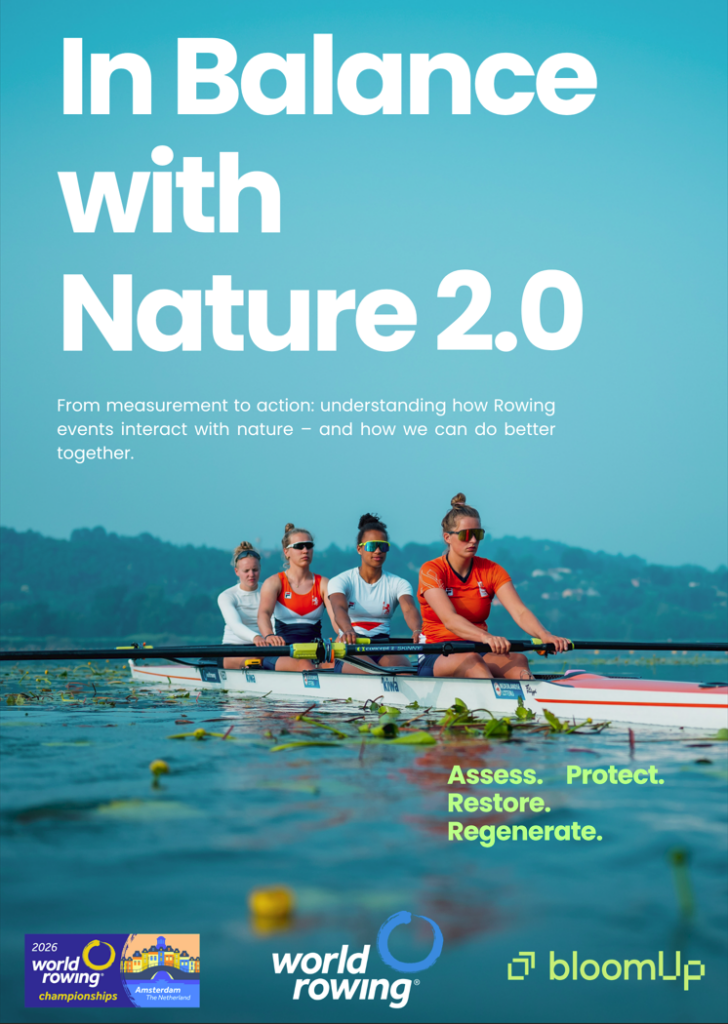
Rowing’s connection with nature
Rowing has a unique relationship with nature. The sport depends on clean water, healthy shorelines, thriving ecosystems and well-managed outdoor environments. Every regatta takes place within—and relies upon—a wider landscape that must be protected for future generations.
At the Bosbaan and in the surrounding Amsterdamse Bos, In Balance With Nature 2.0 will examine the relationship between the 2026 World Rowing Championships and the local environment. This pilot asks an important question: can a rowing event measure and improve its impact on biodiversity in a practical and science-based way?
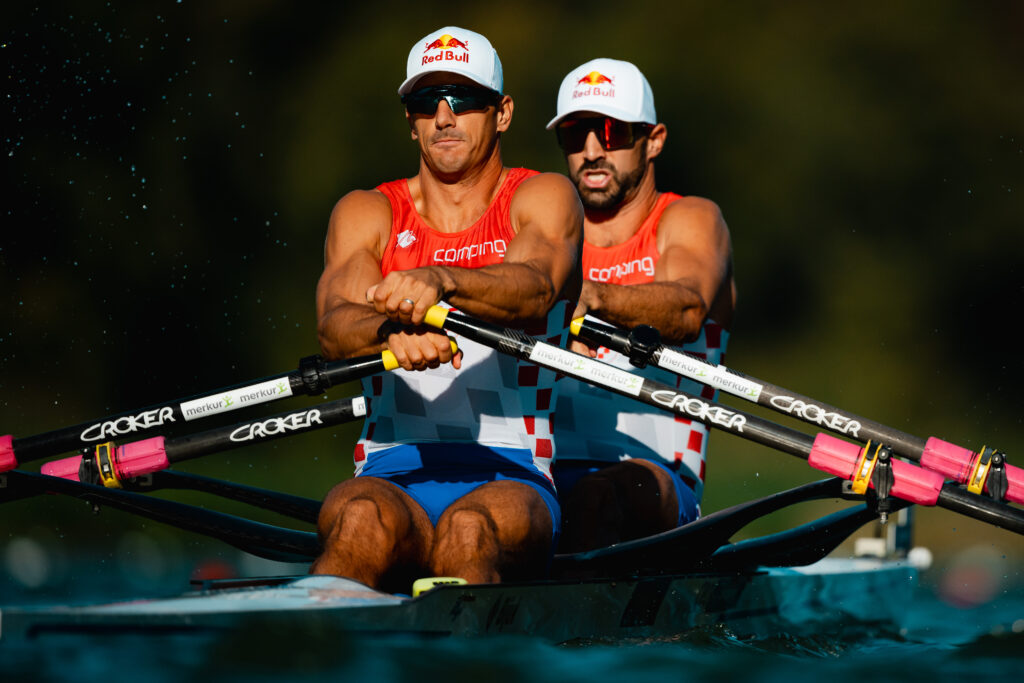
Using the bloomUp Biodiversity Compass, the project assesses both the direct and indirect impacts of the Championships on nature while identifying opportunities for the event to create positive outcomes for nature. The bloomUp Biodiversity Compass assesses performance across four key pillars: Wildlife & Habitat, Ecosystem Vitality, Engagement & Awareness, and Natural Resource Stewardship.
The aim is not simply to reduce potential harm. It is to understand how a major sporting event can contribute positively to biodiversity and support the long-term health of the ecosystems in which it takes place.
From one event to a global model
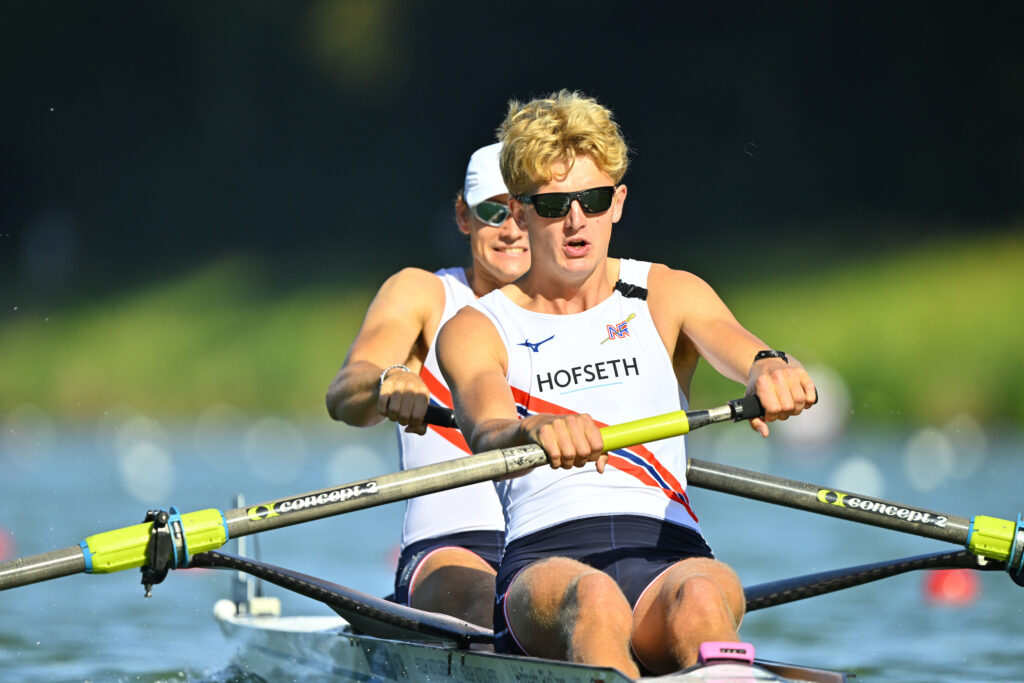
For World Rowing, the Amsterdam pilot is about more than collecting biodiversity data for a single Championships. Its wider ambition is to develop a practical, science-based model that can become part of World Rowing’s sustainability framework for future events.
The Amsterdamse Bos and Bosbaan provide a valuable real-life case study. The lessons learned in Amsterdam could help shape guidance for rowing venues in different countries and ecosystem types, from urban waterways and lakes to coastal environments.
By testing the process at a major international event, World Rowing can better understand what is feasible for event organisers, what data is most useful and how biodiversity considerations can be integrated into event planning and delivery.
Collaboration at the heart
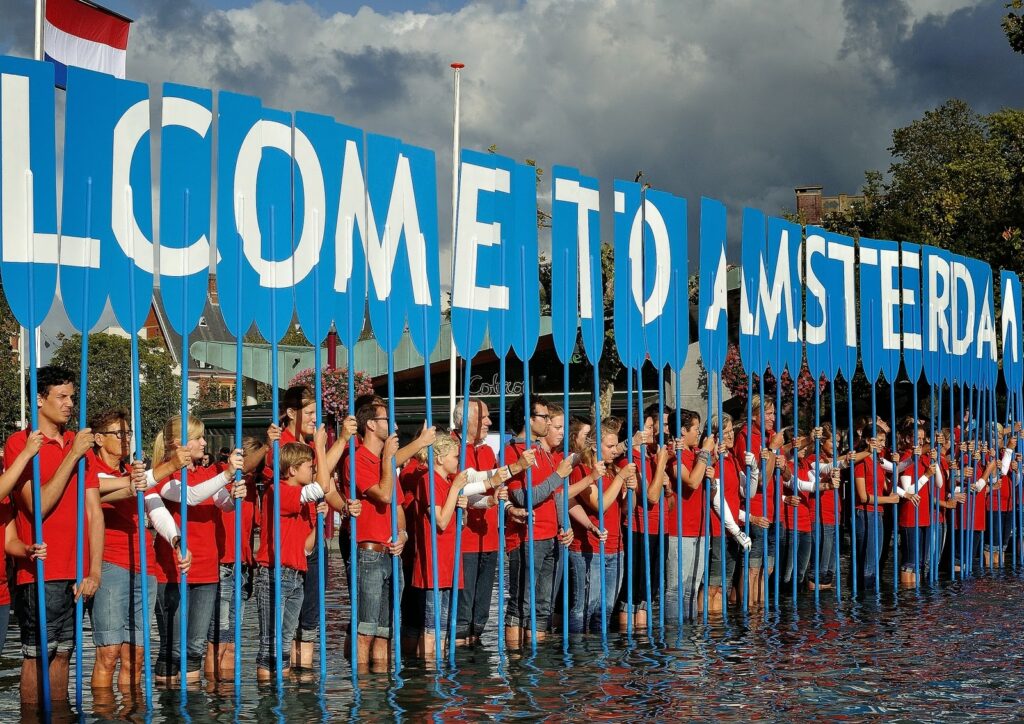
The project brings together a strong group of stakeholders with complementary expertise. World Rowing is leading the overall project narrative, visibility and stakeholder communications; bloomUp is providing the Biodiversity Compass and specialist biodiversity knowledge, while the Amsterdam 2026 World Rowing Championships Organising Committee is supporting event delivery and on-site communication.
The Amsterdam University of Applied Sciences is contributing research, data collection and student engagement; and IUCN Netherlands is providing scientific validation, credibility and alignment with wider nature and biodiversity objectives.
Local knowledge is equally important. Amsterdamse Bos is contributing habitat and restoration data, helping to showcase practical biodiversity actions around the Bosbaan. Local rowing clubs, KNRB, NOC*NSF, Commissie Roeiwateren and Sports for Nature are also supporting the project and helping connect it with the wider Dutch rowing, sport and sustainability communities.
Bringing biodiversity closer
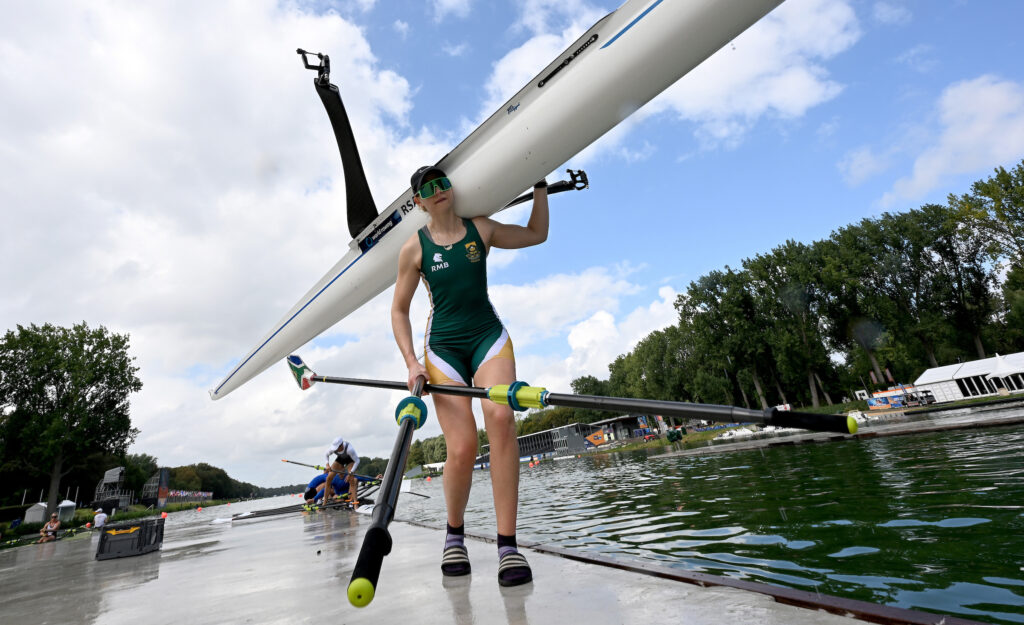
A central goal of In Balance With Nature 2.0 is to make biodiversity visible, accessible and understandable to the rowing community. The project creates opportunities to connect athletes with nature, spectators with local biodiversity, conservation experts with the sporting community, and students and researchers with event organisers.
Planned activities include a guided nature walk, BioBlitz 2.0, athlete storytelling and educational communications.
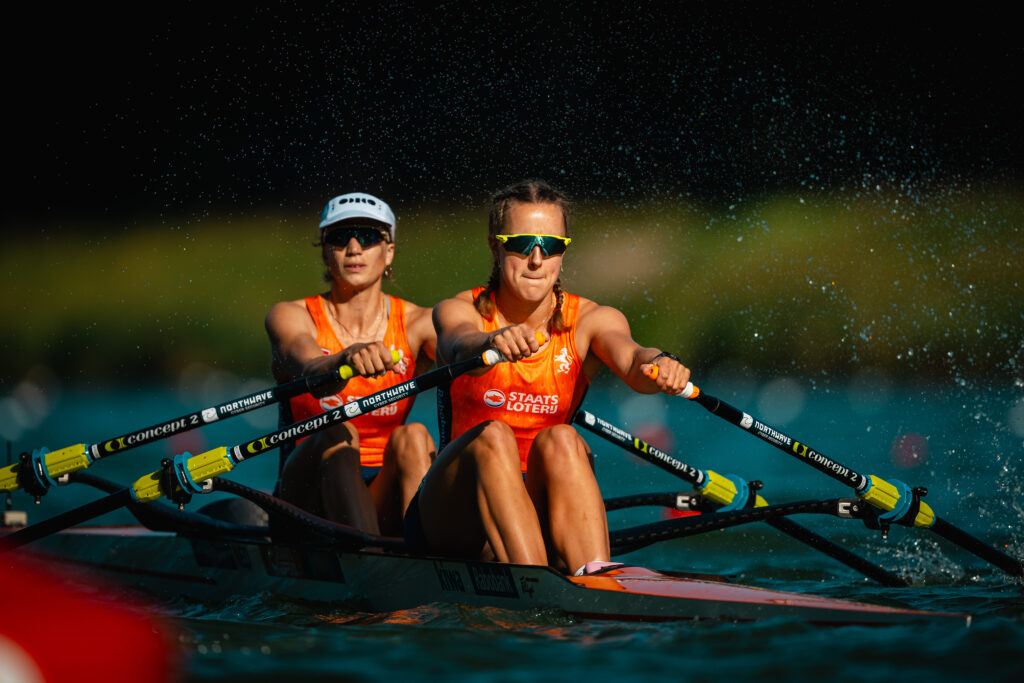
The Guided Nature Walk, led by Amsterdamse Bos, will explore selected restoration and renovation projects near the event area. It will highlight the site’s ecological value and how local rowing can contribute beyond the event itself.
Potential restoration stops include a wild bee field, an ecologically renovated northern bank featuring vegetation mats, renovated pathways using natural materials, a restored area with ecological value, and bridge renovation work incorporating measures to support Barn Swallows.
Another planned activation is BioBlitz 2.0, a citizen science activity inviting athletes, spectators and local communities to observe and record species in the Amsterdamse Bos during the Championships.
Together, these activities aim to bring biodiversity closer to the rowing community and make the natural environment surrounding the Bosbaan more visible during the Championships.
Through In Balance With Nature 2.0, World Rowing is using the 2026 World Rowing Championships as an opportunity to learn, test and collaborate. The long-term ambition is to help develop a practical approach that can support future rowing events around the world in better understanding—and improving—their relationship with nature.