

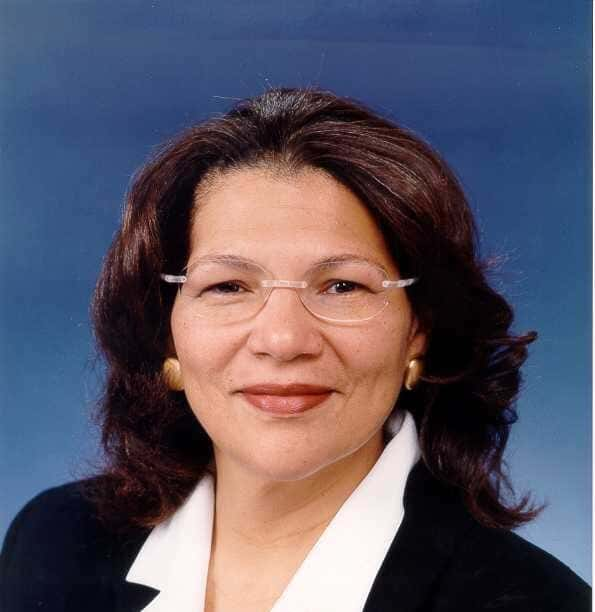
26 Nov 2026
Remembering Anita DeFrantz, Olympic rowing trailblazer and IOC pioneer
When women’s rowing made its Olympic debut at the Montreal 1976 Games, Anita DeFrantz was there, captaining the USA women’s eight to bronze.
Four years later, DeFrantz qualified for a second Olympic Games but was denied the opportunity to compete when the United States boycotted Moscow 1980 on political grounds.
Even in those early years, DeFrantz was a force – a determined athlete whose influence would extend far beyond the water. A political philosophy major at Connecticut College, she later earned a law degree from the University of Pennsylvania while training and racing with the Vesper Boat Club.
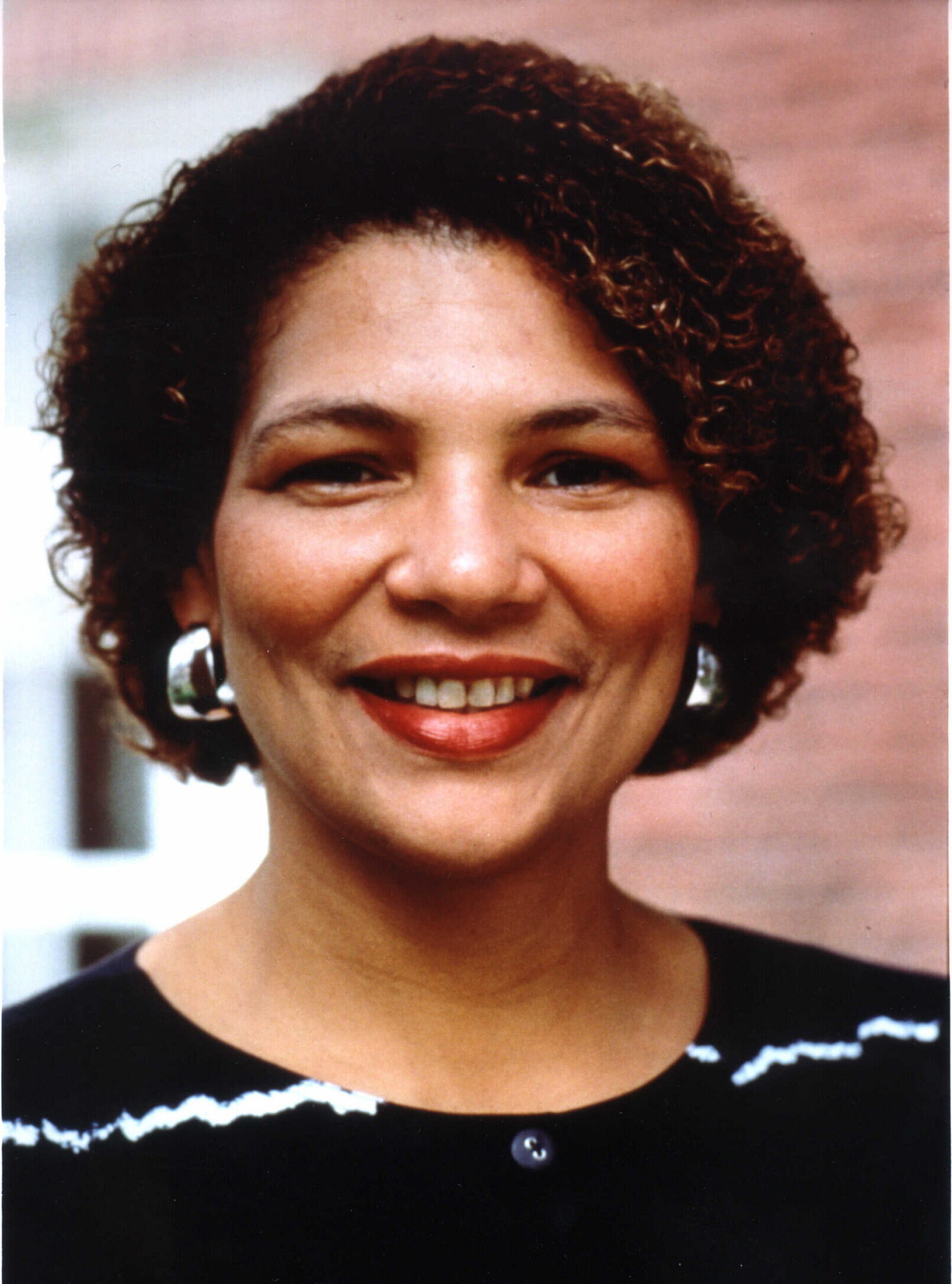
From the pioneering days of women’s Olympic rowing, DeFrantz moved into the heart of the Olympic movement, working to open doors for future generations of athletes. In 1980, she received the Olympic Order in recognition of her advocacy for athletes during the Moscow boycott. In 1986, she was elected to the International Olympic Committee (IOC), becoming its first African American member and the first American woman to join its ranks.
Looking back on her first IOC meeting in 1986, DeFrantz described feeling a little lonely in a later ESPN interview.
“I walked in and I thought, ‘This is odd,'” she said. “It was this cavernous room”, and she was one of only five female committee members there.
One of her main goals in becoming a shaper of world sports policy: “We had to help people open their minds a little.”
That determination would become a defining feature of her work. DeFrantz went on to serve as a vice president of the IOC, becoming the first woman to hold the position, and as a vice president of World Rowing. She also chaired the IOC’s Women and Sport Commission for nearly 20 years, helping advance opportunities for women throughout the Olympic movement.
At the Los Angeles 1984 Olympic Games, DeFrantz served as a vice president of the Organising Committee, playing an important role in delivering the Games and establishing a lasting sporting legacy.
The progress she championed continued over subsequent decades. At the Paris 2024 Olympic Games, women made up half of all competing athletes for the first time in Olympic history.
DeFrantz’s impact on rowing, the United States and the global sporting world is difficult to overstate. Her autobiography, My Olympic Life: A Memoir, captures much of her remarkable journey.
In it, DeFrantz describes her life as an African American woman coming of age during America’s civil rights era. Rising above barriers of race and gender, she found opportunity in rowing and, through the study of law, developed a voice and a lifelong commitment to social justice, equality and fairness in sport and society.
In Her Own Words
In 2018, World Rowing called the 1976 Olympic bronze medallist at her home in California to talk with her about what it was like to put pen to paper and share her memories with the world.
“I think about things a lot,” DeFrantz said of her life’s events. With the long, rich memory of someone who has lived purposefully within each moment, DeFrantz thinks perhaps more deeply than most. “I remember significant moments all the way back to when I was three. People kept saying, ‘When are you going to write your book?’ And I thought maybe I should.”
The idea – and ideal – of Olympism was central to both DeFrantz’s book and her everyday philosophy. “To me the Olympic movement is based on the ideas of mutual respect and fair play,” she said. “In part, this is the Golden Rule, which is important for getting on in this life.
“It was the opportunity,” DeFrantz said, speaking about the doors sport nudged open for her. “I loved basketball and enjoyed swimming, but rowing is the ultimate team sport. It is remarkable, and I just rowed with a remarkable group of women.”
Paving the Path Forward: Team USA Hall of Fame
When DeFrantz was inducted into the Team USA Hall of Fame in 2025, another Olympic trailblazer was there: Kirsty Coventry, then the newly elected president of the IOC.
“She opened up so many doors, for me and for so many others,” said Coventry in an interview with the Associated Press before the ceremony. “I’m extremely grateful for that. I know that I’ve got to make sure I do that for other women.”
Fellow Hall of Fame inductees also paid tribute to DeFrantz at the ceremony in Colorado Springs. Allison Felix, now an IOC Member following her athletics career, spoke about the greater opportunities for Olympians to have a seat at the decision-making table.
“I feel really blessed to come after Anita and I’ve told her this many times, she has paved the way,” Felix said to the AP. “She’s a game-changer. Just what she’s seen and contributed to is incredible. For someone like me, it’s just wanting to carry on her legacy.”
World Rowing President Reflects
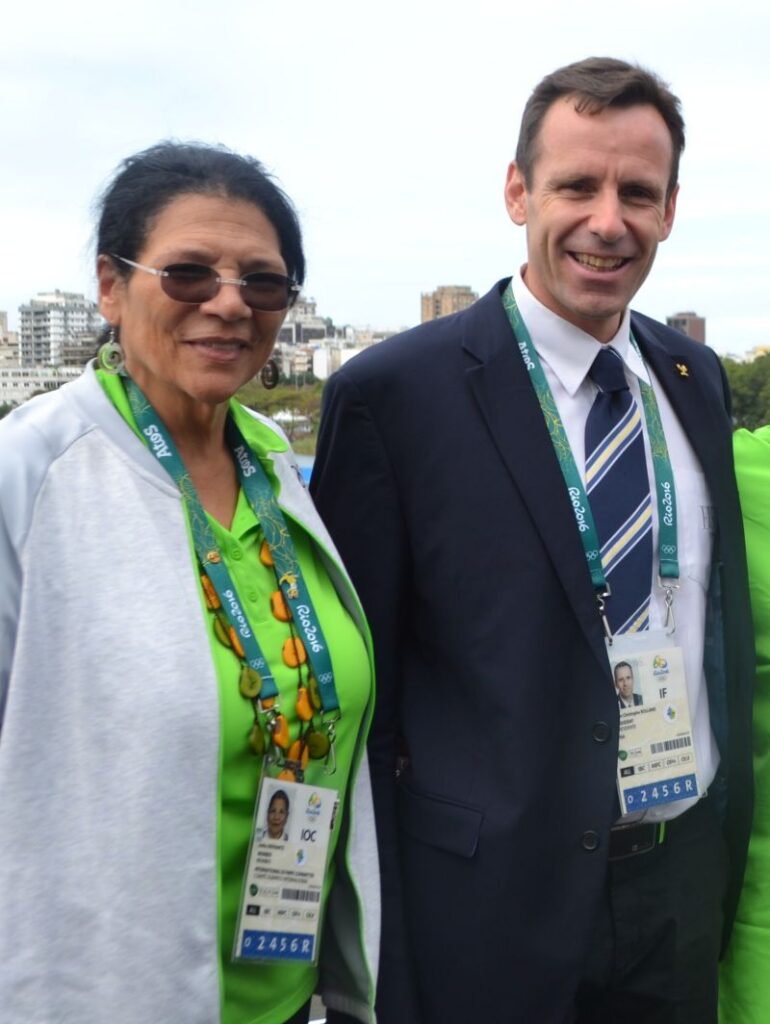
“It is with profound sadness that we learned of the passing of Anita DeFrantz, an iconic figure in the world of rowing and a truly remarkable personality of the Olympic Movement,” wrote World Rowing President Jean-Christophe Rolland in a tribute post.
“Beyond her remarkable achievements, what I will remember most about Anita is her unwavering commitment to the fundamental values of sport, her courage in standing up for what she believed in, and her tireless advocacy for respect, equality and the rights of athletes,” wrote Rolland. “Throughout her life, she consistently reminded us of what truly matters, always placing athletes and the very essence and values of sport at the heart of every debate and decision.”
“Her voice, her convictions and her integrity will be deeply missed. Her legacy will continue to inspire us, and we have a responsibility to carry forward the values she so passionately defended,” added Rolland. “On behalf of the entire World Rowing community, I extend our deepest condolences to her family, her loved ones and the entire Olympic family.”
Rest in peace, dear Anita.